
Social Violence: Why? What can we do?
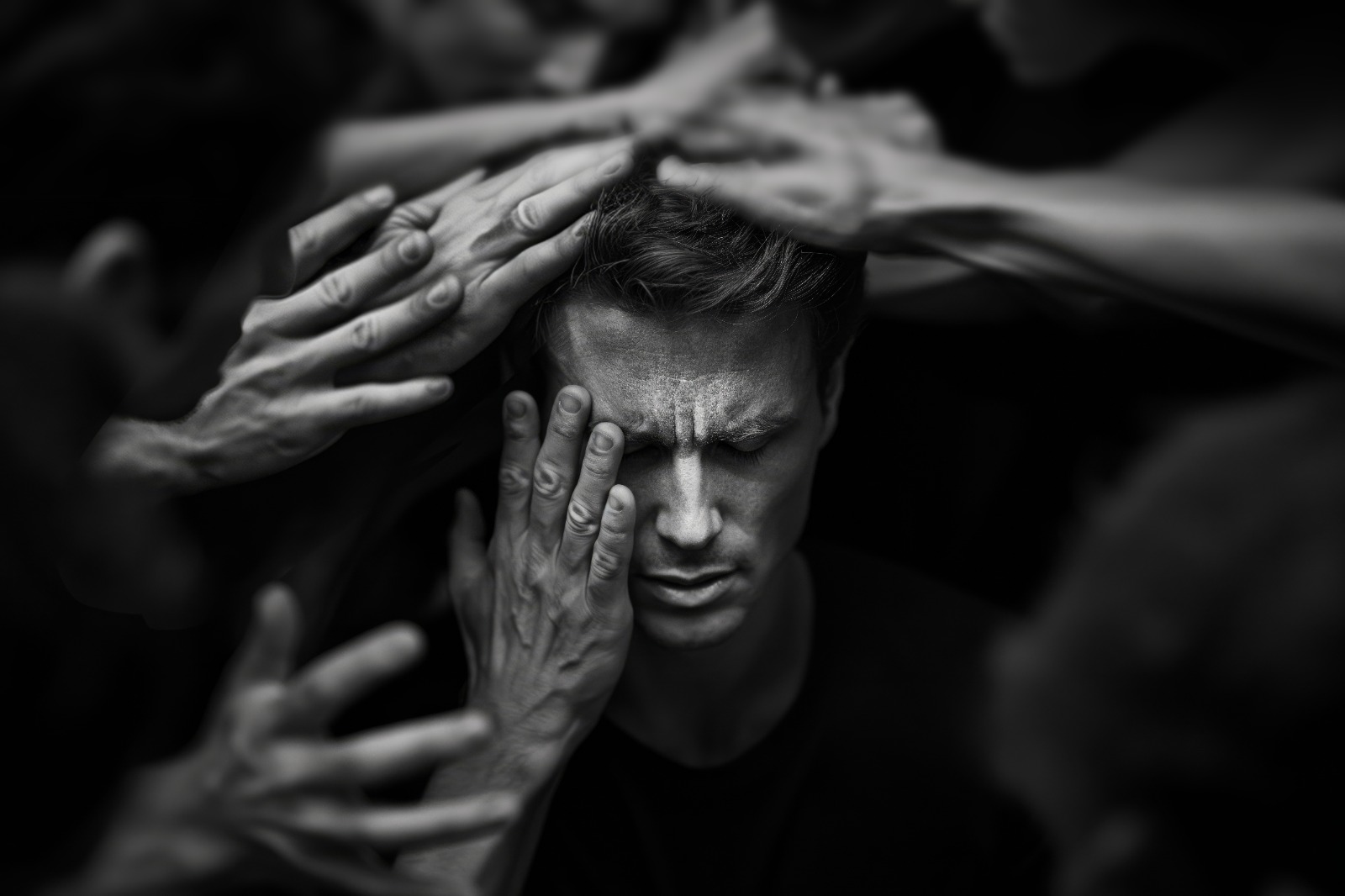
I felt compelled to write this article because;
simply remaining a bystander made me uncomfortable; in order to seek a solution, we must first recognise that this is a serious issue and ensure it can be discussed openly. And I felt the need to fulfil my professional and social responsibilities…
The frequent, almost constant reports of violence we’ve been encountering lately stir similar feelings in most of us: sadness, anger, helplessness…
Sometimes we drift away without realising it; we try not to see or hear. Because it feels too much to bear.
Yet these feelings are signalling to us that something is amiss… and that, as individuals living in this society, we too have a responsibility…
Violence is not merely an ‘incident’.
Any behaviour that harms a person’s physical or mental well-being, or violates their boundaries, constitutes violence.
And;
No circumstance, no emotion, justifies causing harm to another person.
Violent behaviour cannot be reduced to a single cause.
It arises from the convergence of numerous individual, relational and societal factors.
In some cases; an inability to cope with negative emotions, a failure to recognise one’s own and others’ boundaries, and underdeveloped empathy skills can create the conditions for violence to manifest as behaviour.
Violence is a behaviour and carries responsibility.
Therefore, the primary objective is;
to identify violence as a problem,
and to find individual and societal solutions to prevent its recurrence.
After every report of violence, we ask, ‘How could this happen?’… we worry and feel insecure…
And, unfortunately… we get used to it…
Perhaps this is precisely where we need to pause and reflect.
Because getting used to it is the quietest form of loss.
Getting used to violence makes it invisible.
And fighting something invisible is much harder.
What can we do?
Faced with such a huge problem, we feel powerless, but to bring about change, we must take notice and take action.
Anger, fear, hurt… These emotions can only be expressed healthily when they are acknowledged and managed, not when they are suppressed.
Respecting another person’s ‘no’ is just as fundamental to preventing violence as hearing our own ‘no’. We must recognise and respect others’ boundaries just as much as our own.
We must be mindful of the language we use and avoid using language that normalises violence without us realising it.
If we experience intense anger we cannot manage, a loss of control, or thoughts of causing harm, we should seek psychiatric support.
And we must not turn a blind eye; we must teach our children that this is not behaviour to be ignored.
Following these incidents, many parents and teachers have asked, ‘What can I do?’… this is a very healthy question…
Children and adolescents learn about the world through the bonds they form with us and by observing us; this is a crucial factor in their emotional responses and reactions.
Recognising negative emotions and being able to talk about them helps to soften the emotion and mitigate the reaction.
It is helpful to explain calmly but with clear boundaries that anger is a natural emotion that can be discussed, but that it must not be allowed to manifest in harmful behaviour without being controlled.
Teach them that saying ‘no’ establishes and protects boundaries—both for themselves and for others. Being able to protect their own boundaries and respect those of others helps them build safer relationships.
To develop the ability to put themselves in someone else’s shoes—that is, empathy—first show empathy towards them. Make them feel seen and heard.
Do not belittle or ignore their behaviour.
When Should You Be More Vigilant?
When Should You Consider Seeking Psychiatric Support?
Some situations should not be dismissed as ‘temporary’ but require closer attention:
Frequent and intense outbursts of anger
Behaviours involving physical harm
Significant difficulty in showing empathy
Constant violation of rules
Social withdrawal or marked behavioural changes
Excessive interest in violent content
Thoughts or behaviours of self-harm
Significant changes following trauma (nightmares, intense fear, restlessness)
The aim here is not to ‘label’;
but to identify issues early and provide support.
Early intervention plays a protective role for both the child and their environment.
Regular communication between the school and parents creates a safe framework for children.
Violence does not emerge suddenly.
It is often the result of issues that are ignored, postponed, unspoken of, and unaddressed.
A safer society begins where:
emotions are acknowledged, “no” is heard,
and boundaries are respected…
And this is the responsibility of every individual in society.
Psikiyatrist & Psikoterapist